Gut Microbes' Protein Injection Mechanism Unveils New Insights into Immune Regulation and Inflammatory Diseases
February 4, 2026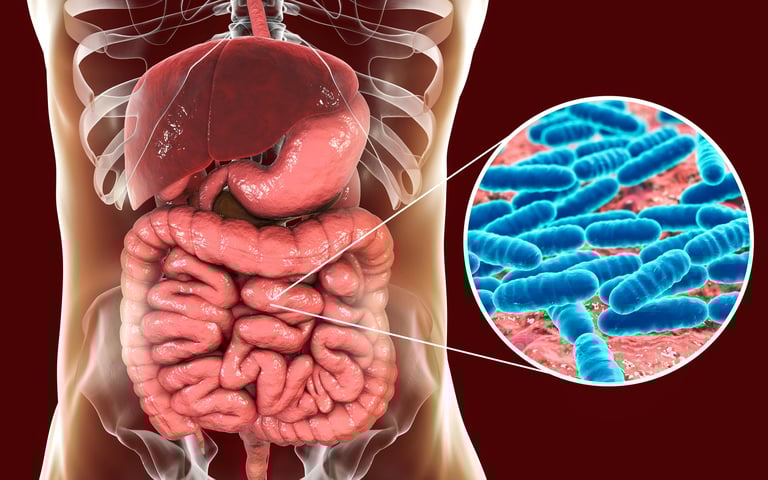

A new protein injection from gut microbes alters human immune signaling and metabolism, offering a molecular basis for how the microbiome can influence immune responses and inflammatory diseases.
Evidence shows gut bacteria can directly transfer bacterial proteins into human cells via type III secretion systems, a mechanism once thought to be confined to pathogens.
Mapping of over a thousand bacterial effector–human protein interactions reveals a strong focus on immune regulation pathways, including NF-κB and cytokine signaling.
The finding shifts thinking from correlation to possible causation in microbiome–host interactions and prompts questions about why commensal bacteria carry these secretion systems evolutionarily.
There is enrichment of genes encoding these bacterial effector proteins in the gut microbiomes of Crohn’s disease patients, pointing to a possible role in chronic intestinal inflammation.
Future work will explore how individual effector–host interactions operate in specific tissues and disease contexts to guide targeted prevention and treatment strategies.
Reference: Nature Microbiology, published January 26, 2026, with DOI 10.1038/s41564-025-02241-y, detailing the study.
Summary based on 1 source
Get a daily email with more Science stories
Source
SciTechDaily • Feb 3, 2026
Scientists Discover Gut Bacteria Can Inject Proteins Into Human Cells