Democrats Push Pause on Advanced AI With Bills to Ban Superintelligence
November 5, 2026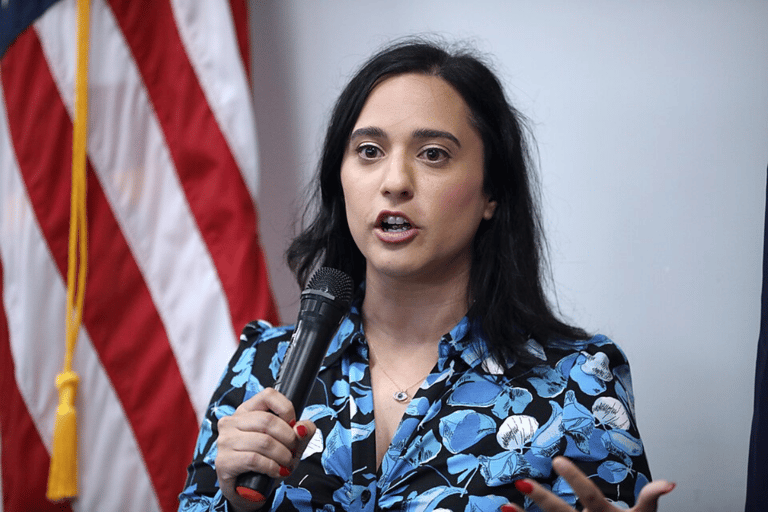


Yassamin Ansari is urging Democrats to make a pause on advanced AI development, tighter industry regulation and a ban on artificial superintelligence priorities, renewing a position she voiced at a September 2026 press conference.
The push is taking legislative form in two proposals: Senator Bernie Sanders and Representative Greg Casar introduced the Ban Artificial Superintelligence Act of 2026, while Ansari and nine other Democratic lawmakers introduced the ASI Prohibition Act of 2026.
The proposals define artificial superintelligence as AI that exceeds human cognitive abilities across most fields or could destroy or disempower humanity, and target systems that could enable it—including AI able to improve itself, evade oversight or access secure digital infrastructure without authorization.
The House bill covers systems trained using at least 10²⁵ computing operations, with the proposed department’s secretary adjusting the threshold annually as technology advances.
It would pause covered development until a new Department of Artificial Intelligence is staffed and safety rules are in place, barring training, modification, fine-tuning, recursive self-improvement and deployment of unreleased advanced systems in the interim.
The proposed department would oversee advanced AI and enforce safety requirements, but the bills have not become law and remain with committees in the House and Senate.
The proposals outline steep consequences for violations, including substantial fines, possible prison sentences of up to 20 years, bans on AI-industry work and the potential loss of company development charters; asset or intellectual-property forfeiture would require judicial review.
Ansari has not laid out a detailed timetable or enforcement plan, and her call is a political proposal—not an existing Democratic Party policy or federal ban.
If enacted, a pause could delay or limit access to advanced AI tools for automation, research, customer support and data analysis, while adding safety-review and compliance costs for companies including OpenAI, Google, Microsoft, Meta and Anthropic.
The legislation lands in a broader Washington debate over how to balance AI safety with the goal of keeping the United States technologically competitive.
Ansari’s approach contrasts with the Trump administration’s preference for faster domestic AI development and fewer regulatory barriers: Executive Order 14409, signed June 2, 2026, rejected mandatory pre-release licensing while retaining measures addressing national-security risks.
Supporters say safeguards are needed to manage risks from increasingly capable AI, while critics warn that slowing US development could cede ground to rivals, delay advances in medicine and science, and distract Democrats from everyday economic concerns.
Summary based on 4 sources
Get a daily email with more US News stories
Sources

Tech Times UK • Nov 5, 2026
Democrat Wants AI Development Paused and Superintelligence Banned as Party Wins Congress
Cryptopolitan • Nov 5, 2026
US Democrat calls for AI development freeze and total ban on superintelligence - Cryptopolitan

Seoul Economic Daily • Nov 5, 2026
Hard-Line Democrats Push AI Halt as Meta Warns New Data Centers Face Hurdles