AI Could Make Work Scarce—Unless Society Shares the Gains
November 2, 2026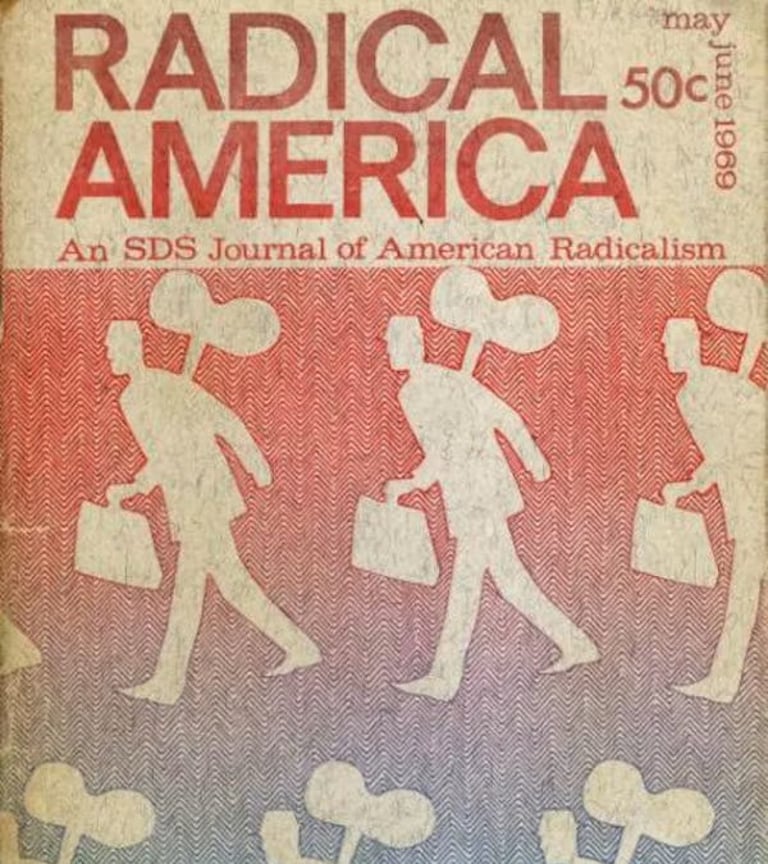

In a 1969 essay, Martin J. Sklar argued that technological progress could break capitalism’s traditional link between economic growth and employment: by the 1920s, production was rising even as manufacturing jobs and labor hours stopped growing.
The article says capitalism adapted by expanding commercial markets into services and other activities once organized outside the market, while government spending and consumer credit helped sustain demand; services now account for about 80 percent of U.S. employment, compared with manufacturing’s roughly 8 percent at the end of 2024, down from 38.9 percent in 1943.
But the author argues that capitalism has often blunted the benefits of this shift through idle productive capacity, high prices, financial speculation, stock buybacks and private-equity acquisitions, while stagnant wages relative to productivity were partly offset by government transfers and borrowing, contributing to financial crises.
Past automation debates centered on factory and lower-wage work, and a 2013 study by Carl Benedikt Frey and Michael A. Osborne saw high-skill professions as relatively protected; generative AI may upend that expectation, with Dario Amodei warning in 2025 that half of entry-level white-collar jobs could be at risk before the decade ends.
The author sees three major risks from AI-led disaccumulation: weaker employment and consumer demand, political unrest, and a crisis of meaning; AI infrastructure is creating jobs for now, but that construction boom may fade as white-collar work disappears and replacement jobs may pay less.
The pressure on workers is already visible in labor’s share of national income, which stood at 52.8 percent in the second quarter of 2025, its lowest level since 1947.
The article links automation-driven insecurity to political shifts, arguing that factory job losses helped fuel right-wing populism and that AI anxiety among college graduates could strengthen left-wing populism and socialism, increasing pressure for a larger role for state and federal governments.
Historian James Livingston argues that automation has already reduced the need for employment and backs a government-funded Guaranteed Annual Income to separate income from work; the article also raises the question of how people will find purpose if earning a living is no longer necessary or widely available.
Sklar saw disaccumulation as potentially liberating: if fewer people are needed to produce life’s necessities, society could make room for more fulfilling activities, but he believed socialism and democratic control were needed to turn that possibility into broader freedom over work and life.
The article’s central warning is that AI could deepen unemployment, inequality and social dislocation under capitalism, or help deliver greater freedom and abundance if society reorganizes how income, work and economic power are distributed.
Summary based on 1 source
Get a daily email with more AI stories
Source
Foreign & Domestic • Nov 2, 2026
How AI Threatens Capitalism and Encourages Socialism