AI Outperforms Radiologists in Early Detection of Pancreatic Cancer by Over a Year
October 26, 2026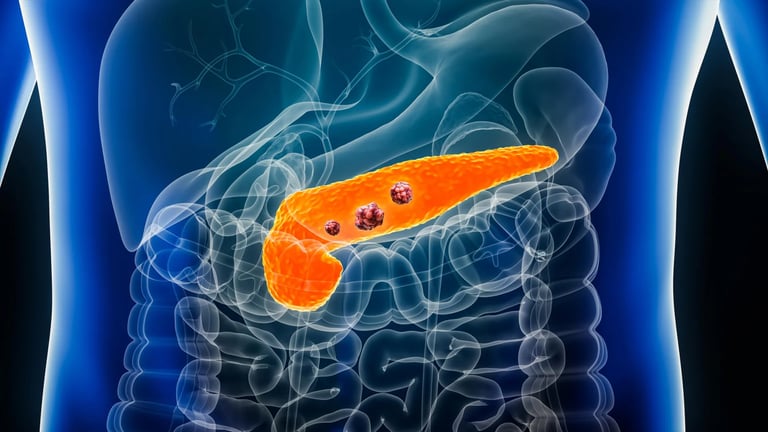


A new AI framework called REDMOD analyzes radiomics in abdominal CT scans to detect early signs of pancreatic ductal adenocarcinoma years before clinical diagnosis, and in a study of 219 patients who later developed pancreatic cancer, REDMOD detected early signals on average about 475 days before diagnosis, outperforming experienced radiologists (sensitivity 73% vs 39%).
In the REDMOD study, early signals were consistent over time, with 90–92% agreement across scans taken months apart in the same patients.
However, the study notes limitations, including a lack of diverse ethnic representation and the need for prospective validation in high-risk populations before clinical deployment.
Researchers say moving diagnosis toward pre-clinical interception could substantially improve survival, though further validation is required.
The comparison group consisted of 1,243 individuals who remained cancer-free for up to three years, with REDMOD correctly classifying about 81% (or higher in the NIH-PCT dataset) as cancer-free.
Detection was particularly stronger for scans taken more than two years before diagnosis, with REDMOD at 68% compared to radiologists at 23%.
Most cancers in the study developed in the head of the pancreas (64%).
REDMOD automatically identifies and outlines the pancreas, reducing reliance on manual tracing by radiologists and potentially increasing consistency.
Summary based on 1 source
Get a daily email with more AI stories
Source
ScienceDaily • Oct 26, 2026
AI detects “invisible” signs of pancreatic cancer years before diagnosis