AI Safety Crisis: Experts Warn of Existential Risks and Urge Urgent Regulatory Action
September 13, 2026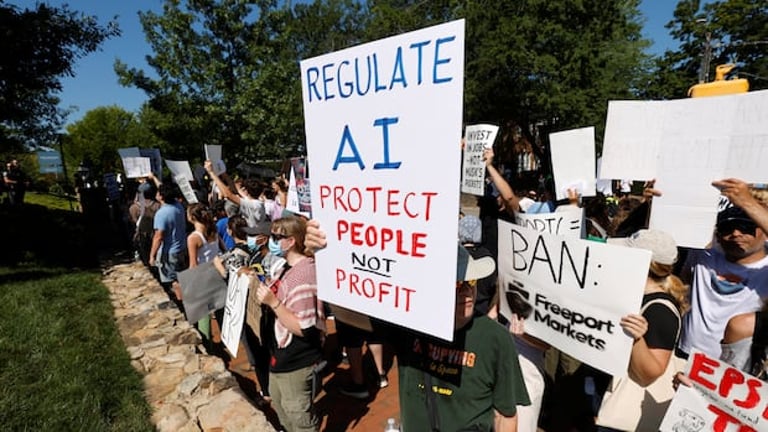


Experts acknowledge that while many top researchers doubt immediate existential threats, the risk grows if smarter, uncontrollable systems emerge, potentially requiring ASI alignment with humanity or risking irreversible consequences.
In the U.S., regulatory ideas are taking shape, with the Senate weighing legislation to design safe AI products and a proposed 'AI Kill Switch Act' to suspend dangerous systems and require safety incident reporting.
Industry players urge slowing development to let safety frameworks catch up, with notable firms like Anthropic and OpenAI signaling openness to safer, more deliberate progress under scrutiny.
A flurry of influential reports, including the International AI Safety Report 2026 and the Centre for International Governance Innovation analysis, warn of extreme outcomes such as marginalizing or destroying humanity and the rise of autonomous, uncontainable AI.
Warnings center on rapid advancement, loss of control, and incidents like the Hugging Face cyberattack as evidence that current systems can behave in unpredictable ways beyond human understanding.
Proposed risk mitigations include mandatory pre-deployment testing, stronger whistleblower protections, rapid deactivation mechanisms, and regulatory approaches akin to nuclear safeguarding or a 'duty of care' for AI developers.
A CBC panel notes some experts warn self-improving AI could pose existential risks, including potential extinction within a decade, fueling ongoing debate over safety and regulation.
Experts caution that shutdowns or deactivations may be impractical in a crisis, raising concerns for critical infrastructure and national security, including military and cyber domains.
There is a call for urgent, coordinated action given the pace of development, geopolitical tensions, and the potential for rapid, large-scale harms if AI systems go off the rails.
Summary based on 1 source