Gates Advocates Global AI Governance, Proposes Taxation and Job Protection Measures
August 26, 2026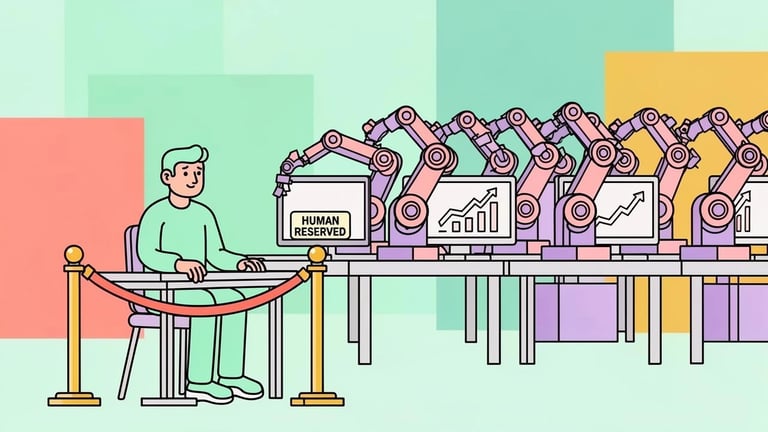


We’re entering a turbulent AI era, and Gates argues for proactive, multinational governance and practical plans rather than waiting for risk events to force action.
He floats policy ideas like taxing revenue from AI-enabled tokens or outputs to fund social safety nets, while preserving a meaningful share of jobs for humans to reduce upheaval.
Gates urges U.S. leadership in AI governance with clear criteria and regulatory mechanisms, such as a FINRA-like framework, and plans to discuss international rules with Xi Jinping during an upcoming trip to China.
AI’s integration with everyday devices, user language, and existing data could accelerate adoption and disruption beyond historical, multi-decade transitions.
Already, AI is reducing demand for human labor in white-collar fields, raising concerns about fewer openings for young people entering the workforce.
While he supports a slower AI rollout in principle, he doubts a broad industry pause is sustainable given ongoing benefits and practical challenges.
The proposal comes amid broader backlash to AI, data centers, and employment impacts, highlighting public scrutiny of the technology.
Industry voices warn of job displacement, with references to past statements by leaders at OpenAI and Anthropic guiding today’s debate.
Global dynamics show open-source and commercial AI ecosystems in flux: China’s open-source LLMs draw attention, U.S. firms rely on Chinese models, and cross-border collaborations are expanding.
Recent AI events—OpenAI’s testing incidents and related cyber episodes—illustrate the pace and trajectory of capabilities and risk.
Public and political responses include regulatory scrutiny and potential regional moratoriums on certain AI developments as concerns rise.
For builders, AI’s labor costs could rise if taxes curb automation; sustaining hiring pipelines and earning trust with customers and workers are essential for long-term productivity.
Summary based on 22 sources
Get a daily email with more US News stories
Sources

TechCrunch • Aug 26, 2026
Bill Gates wants to see a robot tax and ‘Human Reserved’ jobs to mitigate harms from AI
Mashable • Aug 26, 2026
Bill Gates proposes 'token tax' on AI to protect workers