Trump's Executive Order Expands AI Use in National Security, Balancing Innovation with Security Concerns
June 3, 2026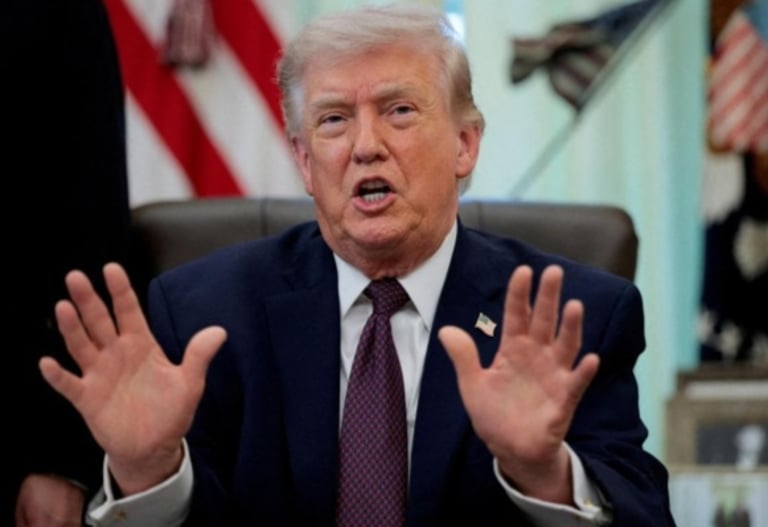

The order signals a shift toward deeper integration of AI into governance and national security, as policymakers seek to balance innovation with security and civil liberties.
In this balancing act, the move aims to foster AI innovation while addressing national security considerations and potential risks.
The article, dated June 2, 2026 and published in the afternoon, notes recent AI policy actions by the Trump administration.
President Trump issued an executive order to expand access to powerful AI models for designated federal departments and national security agencies, with a focus on evaluation, monitoring, testing, risk assessment, and strategic planning for frontier AI systems.
The president signed the order to give the government an early look at powerful AI models and their implications.
Analysts anticipate a growing role for the Pentagon and intelligence agencies in adopting advanced AI tools, as global investments in large language models, generative AI, robotics, and autonomous tech continue to surge.
Supporters argue deeper government access is necessary to maintain technological leadership, anticipate misuse, and bolster national preparedness across sectors like finance, defense, healthcare, and communications.
The White House previously shelved an earlier proposal amid industry backlash, highlighting ongoing debates over AI regulation.
Policymakers expect the order to influence congressional discussions on AI ethics, transparency, competition, labor impacts, and national security, while accelerating federal AI research, infrastructure, and defense funding.
The article references a photo from a prior Oval Office event and links to the White House actions page for the order.
The order aims to help officials brace the economy for potential security risks posed by advanced AI systems.
The move reflects a broader international trend of governments engaging with AI companies amid evolving regulatory frameworks worldwide, as industry players navigate IP and proprietary concerns.
Summary based on 2 sources
Get a daily email with more AI stories
Sources
The Washington Post • Jun 2, 2026
Trump signs order designed to give government early look at powerful AI models