AI Innovation: Dong-A University Unveils First Fairness Enhancement Solution for Societal Issues
May 27, 2026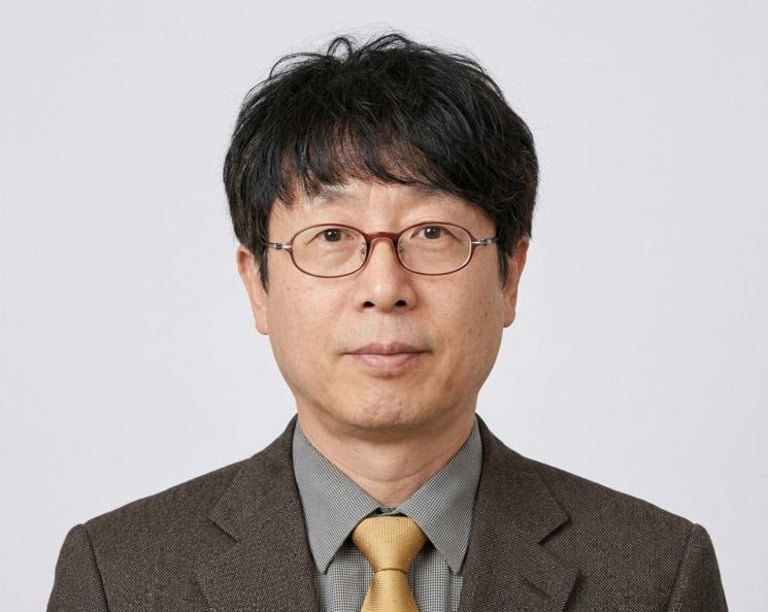

A Dong-A University research team led by a professor has developed the first AI-based fairness enhancement solution that detects societal unfairness, diagnoses its causes, and proposes policy and administrative improvements, both domestically and internationally.
The lead professor stresses the urgent need for objective diagnosis and improvement of unfairness and envisions the solution as policy tools and infrastructure for an AI-driven fundamental society.
Training and validation drew on more than 80,000 fair and unfair cases, 20,000 metadata entries, and 20,000 reinforcement learning transfer entries, evaluated against over 40 performance indicators, including fairness, accuracy, and explainability.
The model operates in four phases—Detection, Diagnosis, Meta Evaluation, and Recommendation—automatically surfacing hidden fairness risks, analyzing causes and impacts, revalidating results, and delivering final policy and institutional improvements.
As a full-cycle fairness management system, it spans 32 societal areas—from politics and economy to welfare, health, environment, administration, judiciary, education, recruitment, and finance—going beyond issue identification to actual implementation.
The lead professor has a track record in AI institutionalization, has secured significant funding for dataset development, leads the AI Government Research Institute, directs an AI solutions venture, and is advancing public AI audit support and enhanced civil service administration models.
Future plans call for collaboration with national and local governments to position the project among the top AI power nations, apply the solution in actual administrative settings, and expand into the private sector.
The system delivers explainable fairness assessments and actionable policy recommendations through a hybrid architecture that combines unsupervised detection, supervised diagnosis, fairness-indicator meta evaluation, and reinforcement learning for policy suggestions.
Summary based on 1 source