AI Tutors Revolutionize Education, Sparking Debate Over Equity and Innovation
April 20, 2026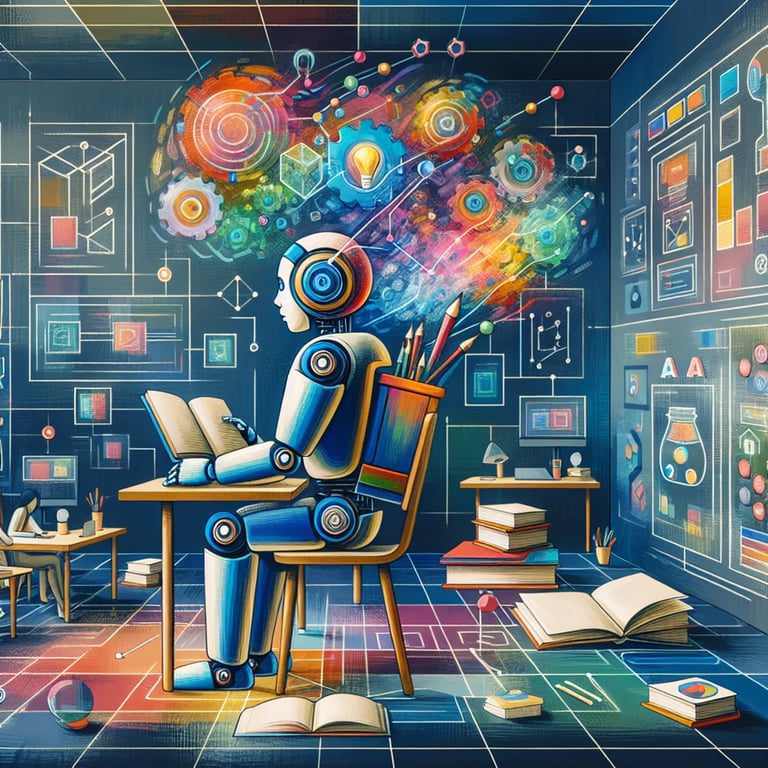

AI tutors and on-demand AI like Grok are central to the vision, offering 24/7 personalized support to match each learner’s pace and reduce debt-related costs, with the aim of democratizing access to elite education within five years.
Global reaction is mixed, praising the pace of educational innovation while raising concerns about equity gaps, infrastructure limitations, and the potential loss of human interaction and empathy in learning.
Project-based learning and immersive technologies such as VR and AR let students tackle real-world scenarios, from rocket development to AI model building, aligning schooling with industry-relevant skills.
Future-focused curricula must be inclusive and culturally relevant, balancing AI efficiency with the human elements of teaching while inviting builders to drive scalable educational reform.
The critique of traditional schooling persists, with the system described as outdated and akin to Victorian factories that stifle creativity and prepare students for an industrial age rather than a fast-changing tech economy.
The initiative envisions continuous lifelong learning and scalable education that evolves with the student, using AI and immersive tools to increase complexity and relevance over time.
Astra Nova’s model removes traditional grades, letting students progress at their own pace while solving real-world problems, signaling a shift toward experiential, project-based learning.
EdTech trends point to a growing market for AI-driven, personalized learning and platform tools, with potential industry growth toward a $20 billion market by 2028 and opportunities for blockchain-backed certifications.
Debates over democratization versus elitism highlight digital divides and connectivity barriers in low-resource regions; solutions like Starlink and better infrastructure are cited, though gaps remain.
Summary based on 1 source