CALSTART Drives Zero-Emission Trucking at Ports with Electric Fleets and Charging Hubs
September 7, 2026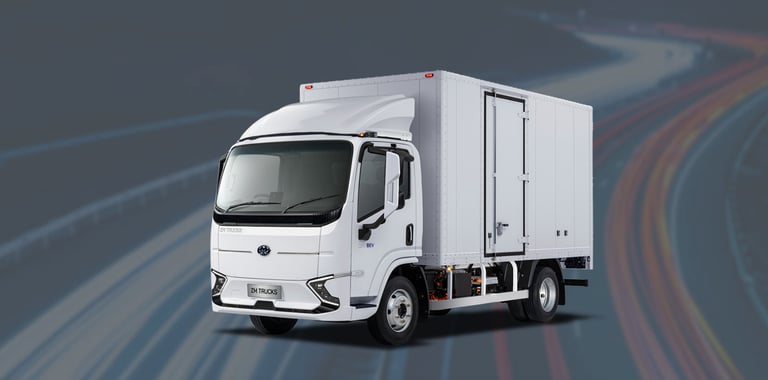

The CALSTART partnership is accelerating zero-emission trucking at ports by purchasing electric trucks, installing on-site charging, and creating up to five off-site charging hubs within 10 miles of ports, with progress dashboards to be handed to the Port Authority by 2028.
Electric trucks are gaining traction on both coasts as part of broader electrification efforts driven by higher diesel costs and geopolitical tensions.
West Coast officials and cross-border partners launched the BC2BC ZEV corridor along Interstate-5 to ensure cross-border charging availability, starting with 20 charging stations and 3 hydrogen stations.
The grant package funds electrification of cargo equipment at marine terminals and vessel shore power stations, plus a separate EPA planning grant to establish a Port Community Advisory Council for clean energy workforce development.
Industry analyses suggest long-haul electrification can lower ownership costs, with UC Berkeley projecting potential 50% savings by 2030 and fleet managers using ICCT’s total cost of ownership framework.
BC2BC is part of the Drive to Zero initiative, with core partners including CALSTART, UC Davis ITS, and the California State Transportation Agency, and participation from private firms such as Tesla and ZO Motors’ US arm, ZM Trucks.
On the East Coast, a $45 million EPA Clean Ports grant to the Port Authority of New York and New Jersey, awarded in 2026 from the 2021 Infrastructure Law, funds expansion of zero-emission trucks, yard tractors, and charging at port facilities, with CALSTART as a key partner.
Summary based on 1 source
Get a daily email with more US News stories
Source
CleanTechnica • Sep 7, 2026
East And West Coasts Throw Electric Truck Shade At White House