Study Links Depression to Stalled Neurogenesis, Suggests Molecular Subtypes for Targeted Treatment
August 25, 2026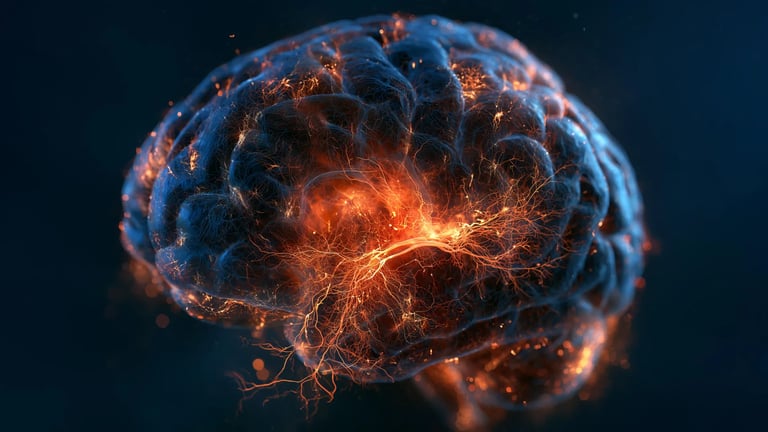

Depression is linked to a stalled neurogenesis trajectory in the adult brain, with more neural stem cells and fewer neuroblasts in major depressive disorder brains, indicating impaired progression from stem cells to immature neurons.
The findings suggest adults do generate new neurons, but the progression through neurogenic stages may be disrupted in depression, pointing to specific molecular pathways involved in the disease process.
Evidence from both human and animal studies indicates that neurogenesis is arrested in major depressive disorder, supporting a link between reduced neuron formation and depressive symptoms.
The study was published August 21, 2026 in Nature Medicine and conducted by researchers at Columbia University Irving Medical Center and New York State Psychiatric Institute, with sequencing and data analysis conducted at affiliated centers.
Affected genes relate to forming new synaptic connections, neuronal communication, cellular energy, and intracellular transport, with several showing epigenetic changes influenced by environment and life experiences.
This study provides the most comprehensive cell-type map of the adult human hippocampus to date and supports the idea that newly generated neurons have a distinct functional role, contributing to the debate on adult neurogenesis.
The researchers propose redefining depression into molecular subtypes, similar to cancer classification, to guide targeted treatments and improve outcomes.
New hippocampal neurons are thought to aid pattern separation—distinguishing similar memories and their emotional contexts—which may be impaired in depression, contributing to negative memory biases.
The findings support the notion that depression is a spectrum of molecular changes rather than a single disease, potentially explaining diverse clinical presentations.
Overall, the work advances understanding of how impaired adult hippocampal neurogenesis and broader hippocampal circuit alterations may contribute to depressive pathology and point to potential new treatment targets.
A Nature Medicine analysis of postmortem hippocampal tissue from about 30 individuals used single-nucleus RNA sequencing to map cell types and gene activity in nearly 500,000 cells, focusing on adult neurogenesis in the hippocampus and revealing widespread molecular disruptions beyond neurogenesis.
Across nearly half a million brain cells from depressed and control individuals, researchers mapped gene activity and protein changes throughout the hippocampal circuit, highlighting broader molecular disruptions.
Summary based on 2 sources
Get a daily email with more Science stories
Sources
Nature • Aug 25, 2026
The brain struggles to make new neurons in people with depression
ScienceDaily • Aug 25, 2026
Depression may shut down the brain’s ability to make new neurons