NAEP Data Reveals Pre-Pandemic Reading Gains for Younger Students, But Middle School Stagnation Persists
June 10, 2026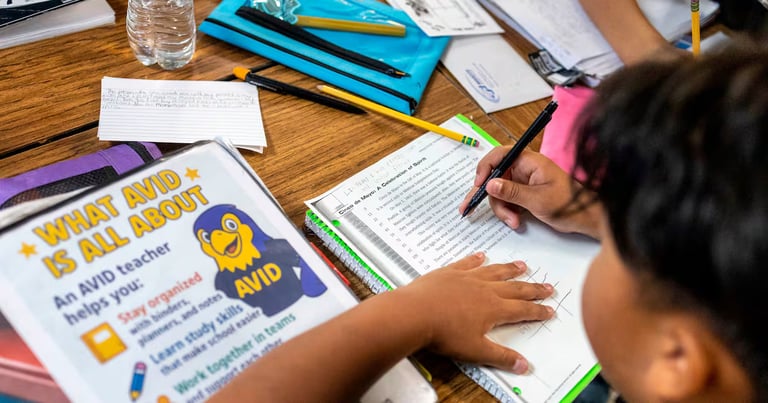

The latest NAEP results show younger students around age nine have regained pre-pandemic reading levels and posted some math gains, while 13-year-olds in middle school remain below pre-pandemic averages in both subjects, with reading scores largely flat since NAEP’s long-running trend began.
Officials stress the need to extend reforms beyond elementary reading—including the science of reading—and to implement targeted middle school interventions to reverse stagnation among adolescents.
Among 13-year-olds, only about 58% meet the reading benchmark and 70% meet the math benchmark, with no statistically significant improvement from the previous year, signaling continued stagnation at higher grade levels.
Educators express cautious optimism, noting that decades of data show trajectory changes are possible, with past improvements spanning from the early 1970s through 2012 and potentially repeatable with focused effort.
The report marks the first NAEP long-term trend release since federal cuts in 2025, including layoffs at the Institute of Education Sciences and cancellation of roughly a dozen national and state assessments through 2032, delaying further data until 2033.
Experts point to a decline in reading for fun linked to increased screen use, but the younger cohort’s recovery suggests potential long-term gains if interventions persist.
Analysts say improving adolescent outcomes will require sustained, targeted interventions beyond early elementary reforms, drawing on NAEP data to illustrate possible turnarounds.
Experts emphasize that decades of data show the possibility of turning around student outcomes and urge urgency in extending successful reforms to older students to prevent widening gaps.
The long-term trend shows declines began before the pandemic, with scores peaking around 2012 and then falling, indicating this is not solely a pandemic-related issue.
NAEP’s 2024-2025 assessment samples about 31,000 students, underscoring that the stagnation is part of a longer trend since roughly 2012, not just a recent dip.
Longer-term data reinforce that stagnation persists beyond the current crisis, highlighting the need for sustained, targeted interventions across grade levels.
Education leaders urge prompt action to turn around middle school outcomes, as students will soon transition to high school.
Summary based on 7 sources
Get a daily email with more US News stories
Sources

AP News • Jun 10, 2026
Test scores show middle school reading, math education have stalled | AP News
ABC News • Jun 10, 2026
Teens' reading and math scores have stagnated, US test results show
NPR • Jun 10, 2026
After years of declines, young students show gains in reading and math
Los Angeles Times • Jun 10, 2026
Teens' reading and math scores stagnate, younger students regain ground, test results show - Los Angeles Times