NYC Doormen and Workers Threaten Strike Amidst Contract Dispute, Impacting 1.5 Million Residents
April 14, 2026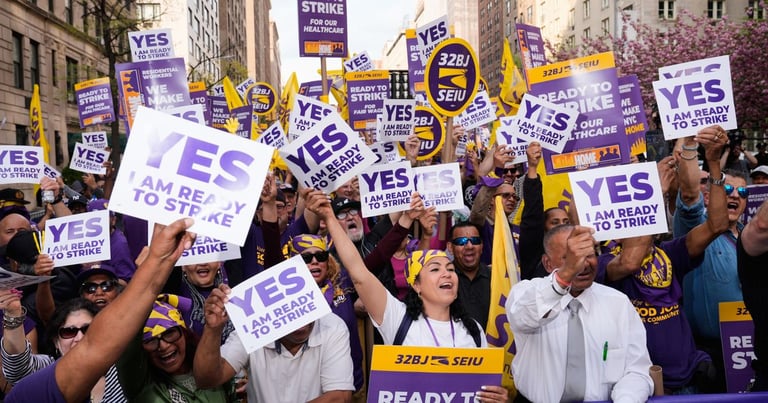

A vote by 32BJ doormen, porters, and maintenance workers authorized the possibility of a citywide strike if a contract dispute with building owners isn’t resolved by the contract’s expiration, signaling broad disruption for NYC housing operations.
The strike could affect about 1.5 million New Yorkers, underscoring the far-reaching impact on daily life, security, and housing services across the city.
During a Park Avenue rally, thousands demonstrated with cards indicating readiness to strike, as they push for higher wages, stronger pensions, and opposition to healthcare premium increases.
Union leaders argue for a wage and benefit package that reflects living costs and the value of frontline work, while keeping employer-paid healthcare non-negotiable.
Residents stress that staff relationships and security justify premium rents, with some willing to pay more to preserve services.
Speakers include Manny Pastreich and frontline workers highlighting affordability, wage gains, and robust health coverage, with city leaders voicing support for workers’ demands.
Owners say they face financial pressures and endorse a contract that sustains the industry, while the mayor publicly supports the rally and raises rent-stabilization concerns.
The Realty Advisory Board argues owners are also squeezed by rent-stabilization policies and rising costs, urging a contract that reflects economic realities to ensure the workforce’s viability.
The union seeks higher wages and pensions and opposes shifting health insurance costs or introducing lower-paying new-hire classifications; owners push for cost reductions amid housing affordability pressures.
The dispute centers on wages and health care costs, with the Realty Advisory Board representing building owners in the talks.
RAB cites near-zero rent increases on stabilized units, higher operating costs, and the need to manage healthcare costs, including a proposed Tier II structure and increased pension funding.
Vega frames the dispute as a fight for fair treatment of essential workers who stayed on the job through the pandemic, emphasizing the bonds formed between staff and residents.
Summary based on 12 sources
Get a daily email with more US News stories
Sources
The Associated Press • Apr 15, 2026
New York City apartment building workers authorize a possible strike as contract talks stall

New York Post • Apr 16, 2026
New York's doormen are about to go dark — here's why one Park Avenue veteran is ready to abandon his post
WTOP News • Apr 15, 2026
New York City apartment building workers authorize a possible strike as contract talks stall